
Management of the Uncooperative Paediatric Dental Patient
Non-cooperation of a paediatric patient is among the most stressful situations in the clinical practice of a dentist. This lecture offers a systematic overview of the comprehensive management of an uncooperative patient – from understanding the underlying causes to practical clinical solutions.
The first part will focus on the main causes of non-cooperation. Factors related to the young age and developmental immaturity of the child will be discussed, as well as the influence of previous negative experiences with healthcare and physical or psychological alterations that may significantly limit the child’s ability to cooperate. The aim is to help clinicians identify at-risk patients even before treatment begins and to better anticipate the course of the visit.
The second part will be devoted to behavioural management, with a focus on adapting the child to the dental office environment and improving cooperation through psychological approaches. Practical communication techniques, principles of building trust, gradual desensitisation, the role of the parent during treatment, and the importance of the dental office environment will be presented. Emphasis will be placed on creating a positive experience that enables long-term cooperation and helps prevent dental anxiety.
The third part will address options for modifying the original treatment plan in situations where behavioural techniques are not sufficient. The lecture will present minimally invasive approaches to arresting dental caries as an alternative to conventional treatment, as well as pharmacological management of cooperation – conscious sedation, the use of nitrous oxide, and indications for general anaesthesia. The advantages, limitations, and indications of the individual approaches will be discussed, with the aim of helping dentists choose a safe and effective treatment strategy.
The lecture will provide a practical, clinically oriented overview of the options that allow the uncooperative patient to be managed safely and effectively, with an emphasis on a positive experience for both the child and the healthcare team.
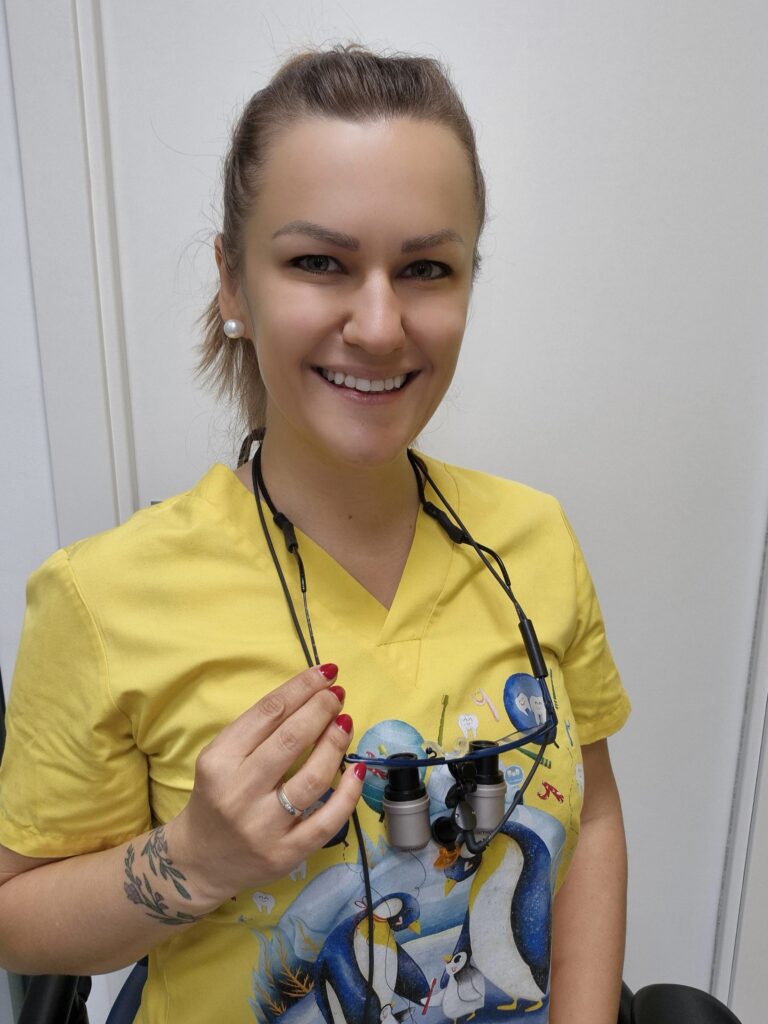
After graduating from Comenius University in Bratislava, Veronika Bačová Macáková gained clinical experience in two dental practices. Professional internships abroad inspired her to adopt a comprehensive approach to the paediatric patient and the child’s family.
In 2018, she founded the Rodinka Dental Centre, where she and her colleagues focus exclusively on the treatment of paediatric patients. She has a particular interest in the treatment of patients with autism spectrum disorder and systemic medical conditions.
At her centre, she provides treatment under conscious sedation, nitrous oxide sedation, and general anaesthesia. In addition, in cooperation with the National Institute of Children’s Diseases, she performs dental rehabilitation under general anaesthesia as part of combined procedures involving several medical specialties, with the aim of minimising the physical and psychological burden on both the child and the parent.
For several years, she has also been involved in educating students and dentists in the field of paediatric dentistry and in raising parents’ awareness of children’s oral health.